
Recover Smarter, Not Harder
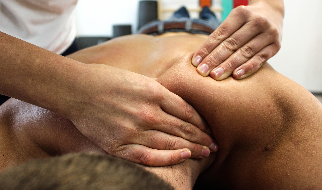


After a tough workout, what’s the best way to recover? Should you stretch, ice, get a massage or simply rest? A large systematic review published in Frontiers in Physiology analyzed nearly 100 studies to determine which recovery techniques actually reduce muscle soreness, fatigue, inflammation and muscle damage.
What the Research Found
The clear winner was massage. Massage was the most effective recovery technique for reducing muscle soreness and fatigue after exercise. It also helped decrease inflammation, making it one of the best-supported recovery strategies available. Other techniques, such as compression garments, cold water immersion (ice baths), and light active recovery (like an easy walk or bike ride), also showed benefits. Interestingly, stretching after exercise did not significantly reduce next-day muscle soreness.
Massage vs. Soft Tissue Work
The studies in this review focused on massage, which generally involves hands-on pressure to muscles and other soft tissues to promote recovery. In Physical Therapy, I use soft tissue techniques, which include massage but also more targeted treatments such as myofascial release, trigger point work and instrument-assisted soft tissue mobilization. The goal isn’t just to help you feel better temporarily—it’s to improve tissue mobility, reduce pain and help you move more efficiently.
What This Means for You
As a Physical Therapist, I use soft tissue techniques to help reduce pain and get you back to doing what you love. Just as importantly, I teach my patients how to perform self-massage and other recovery techniques at home. You don’t need to rely on clinic visits alone—having the right tools and knowing when to use them can help you recover more effectively between workouts.
Lauren DeYoe
Doctor of Physical Therapy
Reiki Master
Owner Reiki PT
Dupuy O, Douzi W, Theurot D, Bosquet L, Dugué B. An Evidence-Based Approach for Choosing Post-exercise Recovery Techniques to Reduce Markers of Muscle Damage, Soreness, Fatigue, and Inflammation: A Systematic Review With Meta-Analysis. Front Physiol. 2018 Apr 26;9:403.


